
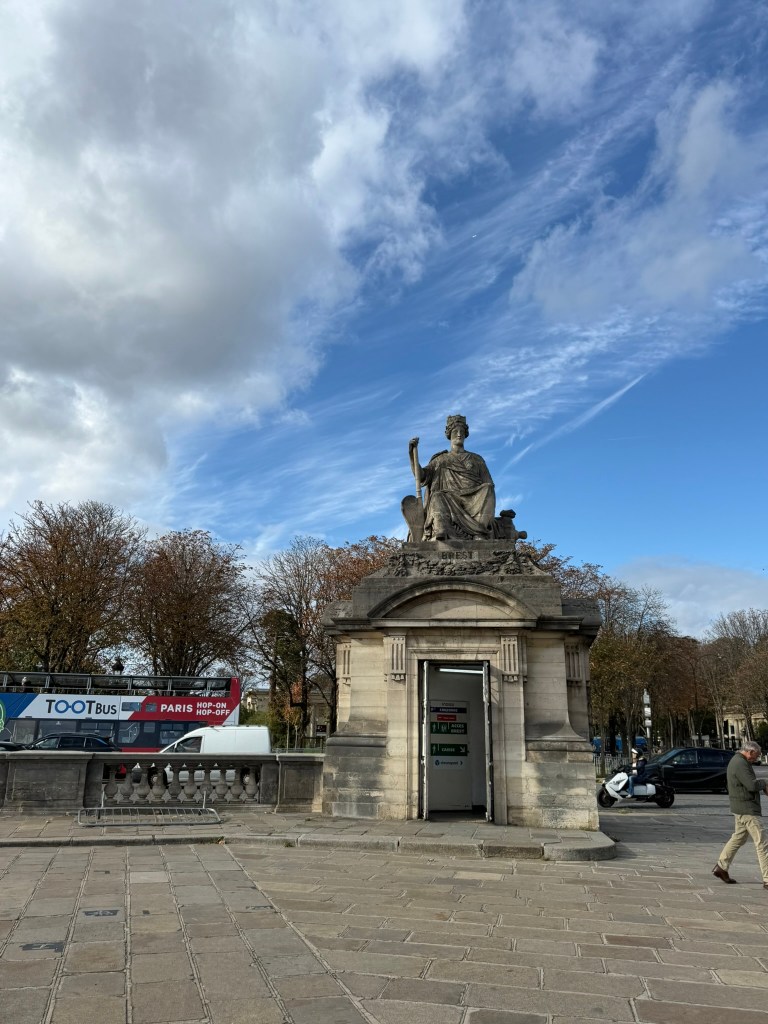
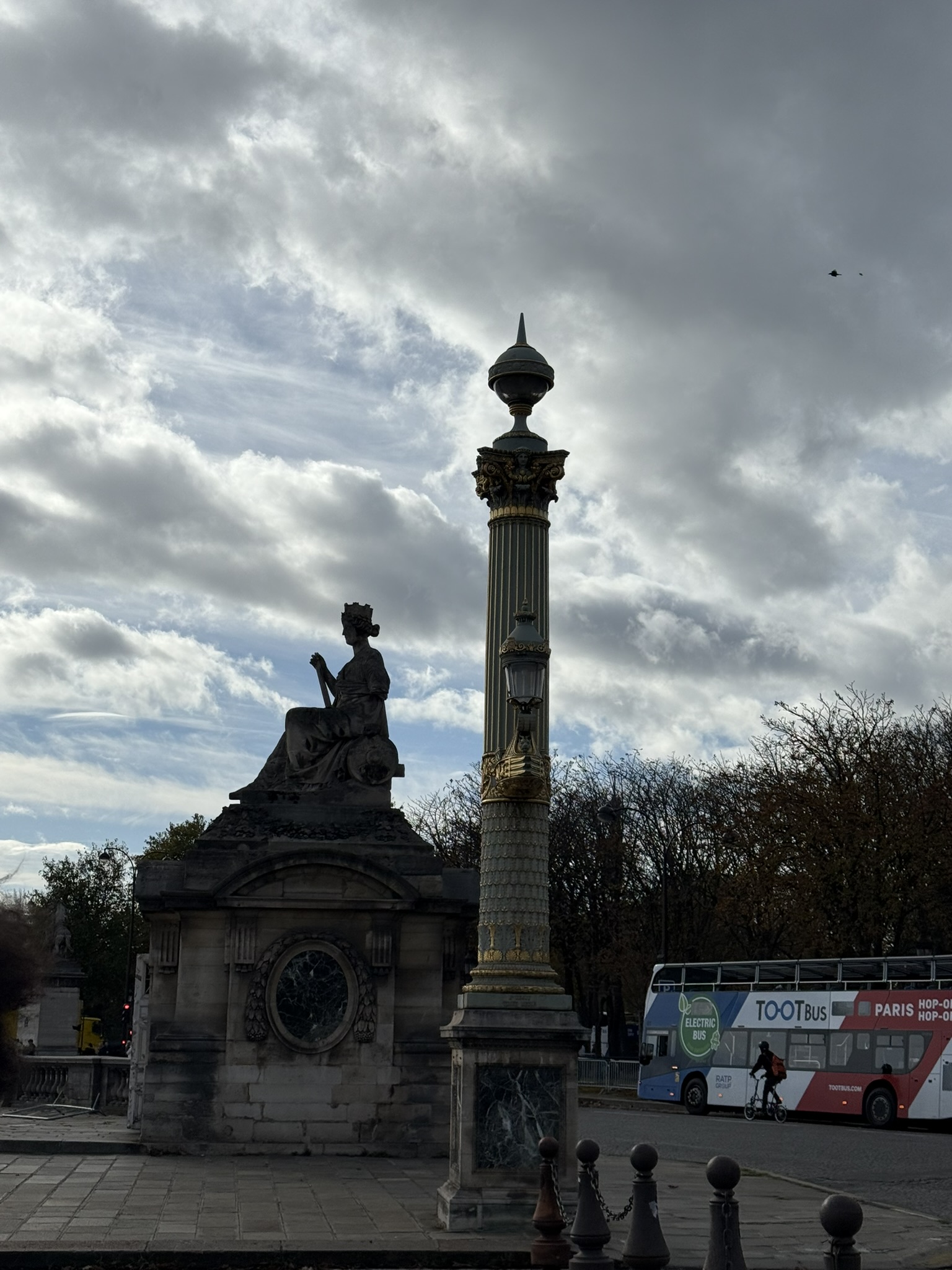
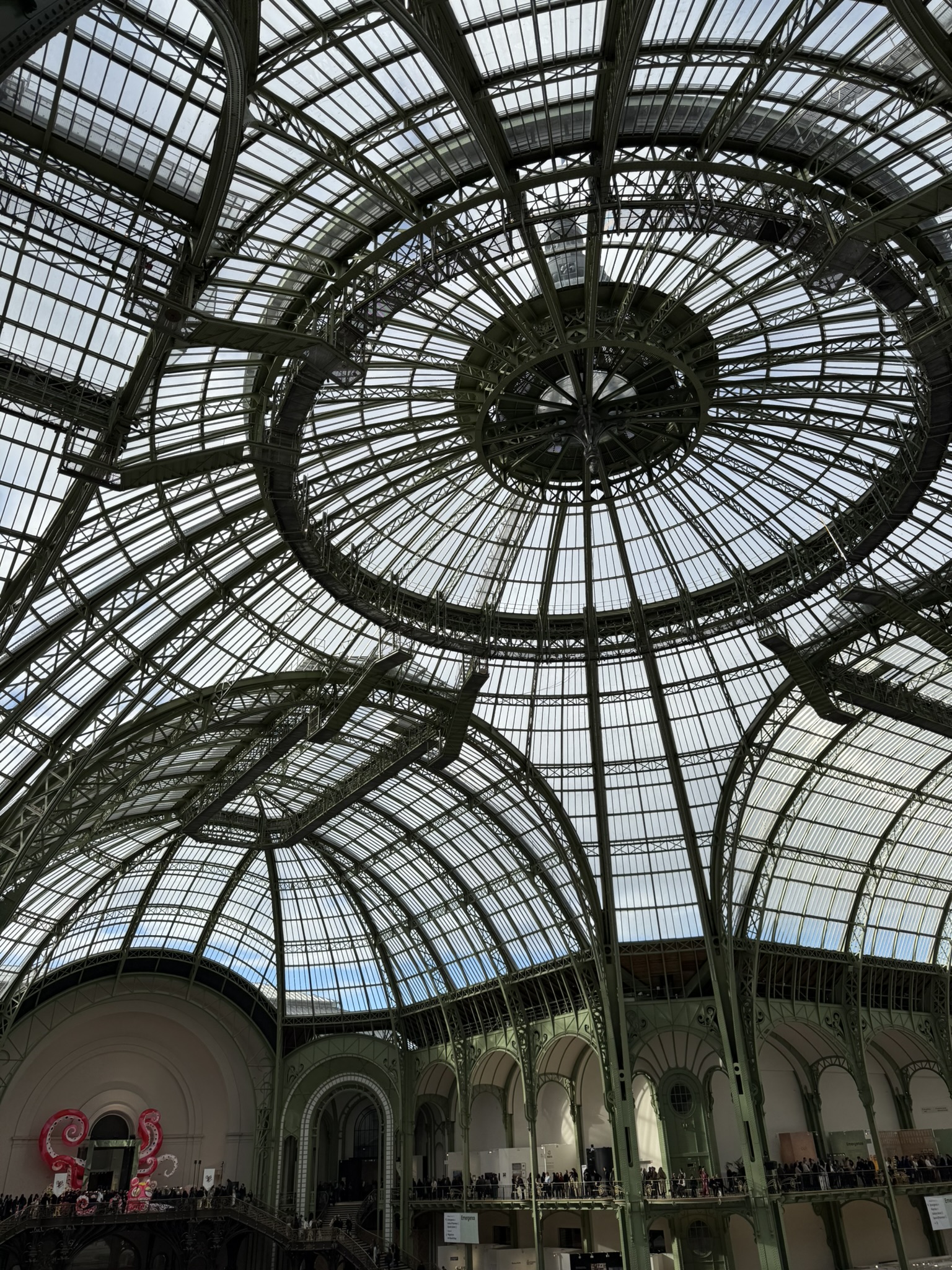
It’s October in Paris. We walk along the Seine as the water sparkles in the shifting light, rays of sun pulling diamonds out of the greyness. In the distance, the unmistakable silhouette of the Eiffel Tower rises with effortless grace. We pass the Grand Palais, its glass-domed roof echoing the Victorian brilliance of London’s Crystal Palace. Paris is poetry; it’s a living art museum. Every turn reveals something magnificent: monumental buildings, sculpted fountains, copper green statues celebrate centuries of grandeur.

Our destination is the Christian Dior flagship at 30 Avenue Montaigne. It’s the original atelier opened by Christian Dior in 1946. Over the decades, it has been transformed and expanded many times, but its most dramatic renovation came in 2022. The flagship is now the size of the iconic Opéra Garnier. It has the retail, exhibition spaces, restaurants, hotel rooms, spa. It’s a universe of all things Dior.
There is a long line to enter La Galerie Dior, the exhibition space dedicated to Dior’s history. Admission requires reserved tickets, so plan ahead if you want to walk through decades of iconic couture. Instead, we enter the main store, and instantly find ourselves immersed in lavish luxury.
The interior glows in a palette of white, beige, and cream, a serene atmosphere that becomes a perfect canvas for the luxury items. Seven floors unfold before us, with hotel suites on the top floor, rumored to start around $20,000 a night, complete with private shopping, demonstrations of upcoming collections, and exclusive tours of La Galerie. For that price, I imagine there’re tons of perks and customized experiences.

We sit down for a bite at Le Jardin, the café designed by Yannick Alléno to feel like an indoor garden. Through the soaring glass atrium, trees and flowers blur the line between indoors and out, echoing Dior’s lifelong love of gardens.
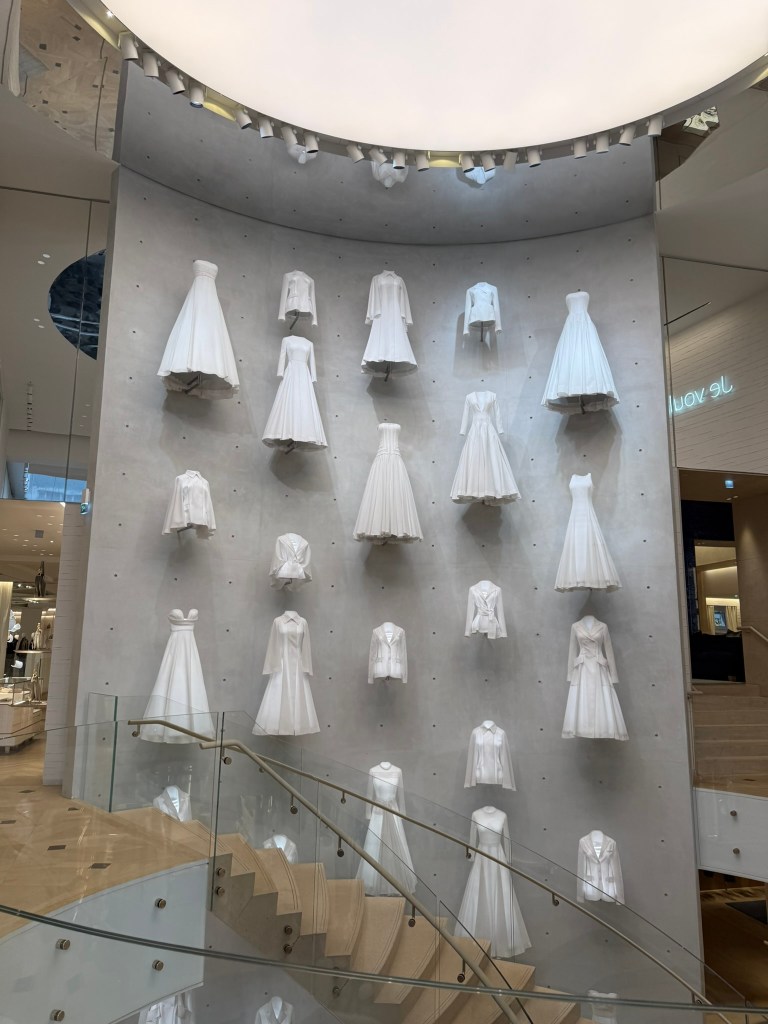
Behind the café, a sweeping spiral staircase continues the theme of lightness and pale elegance. It’s futuristic yet palatial, a contemporary homage to grand staircases of the past. Along the wall, Dior dresses and blazers, all pure white, float like illuminated ghosts, each garment lit from behind. The whiteness is shocking in its purity. I find myself wondering how they’re kept so immaculately dust-free.
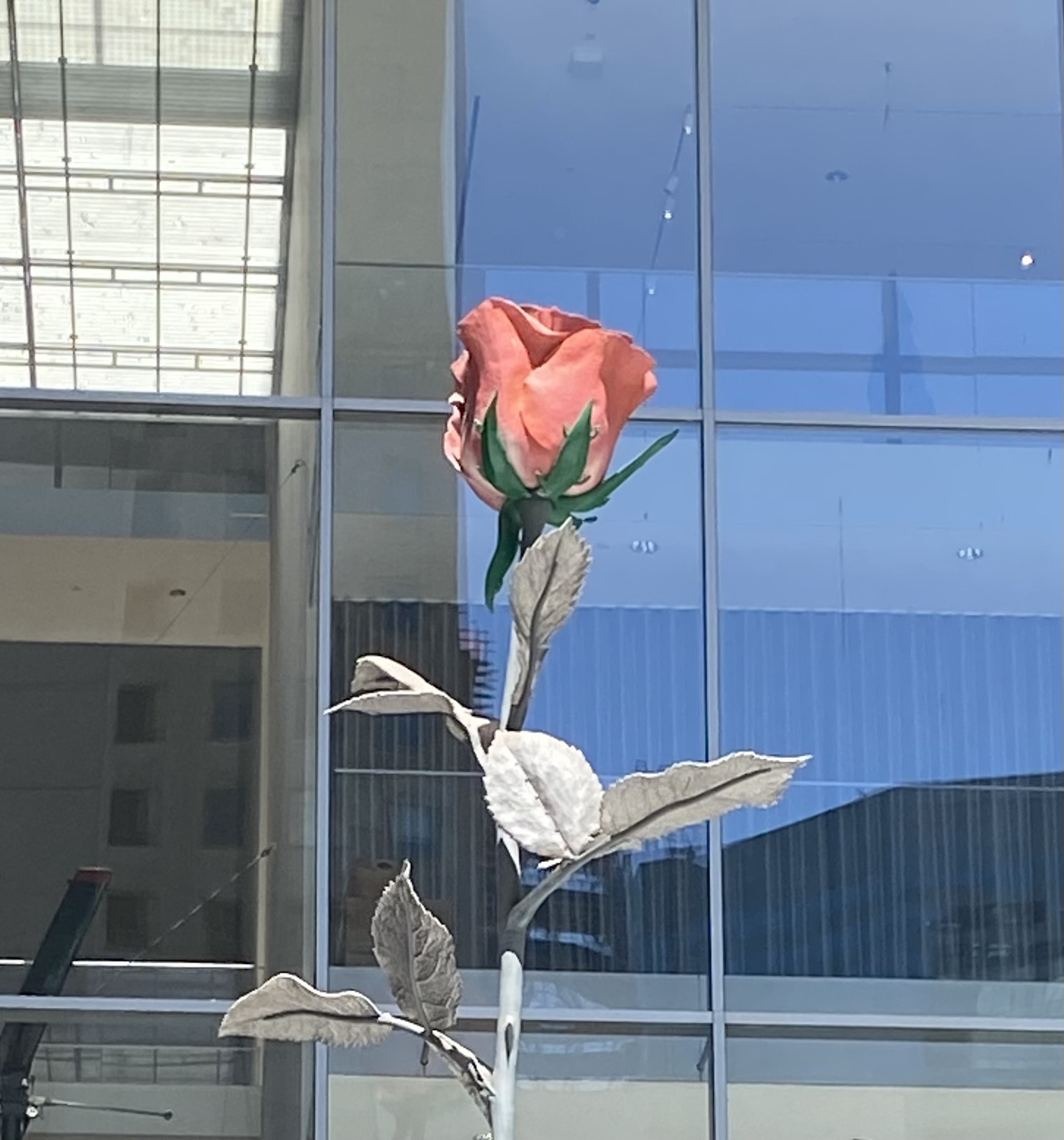
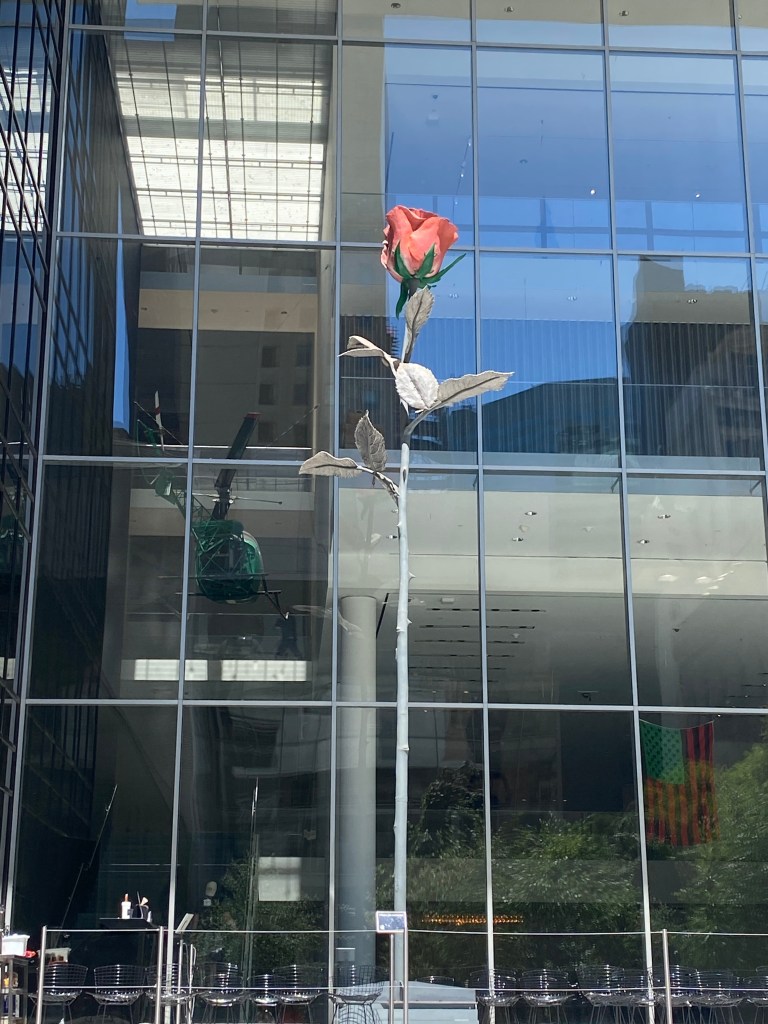
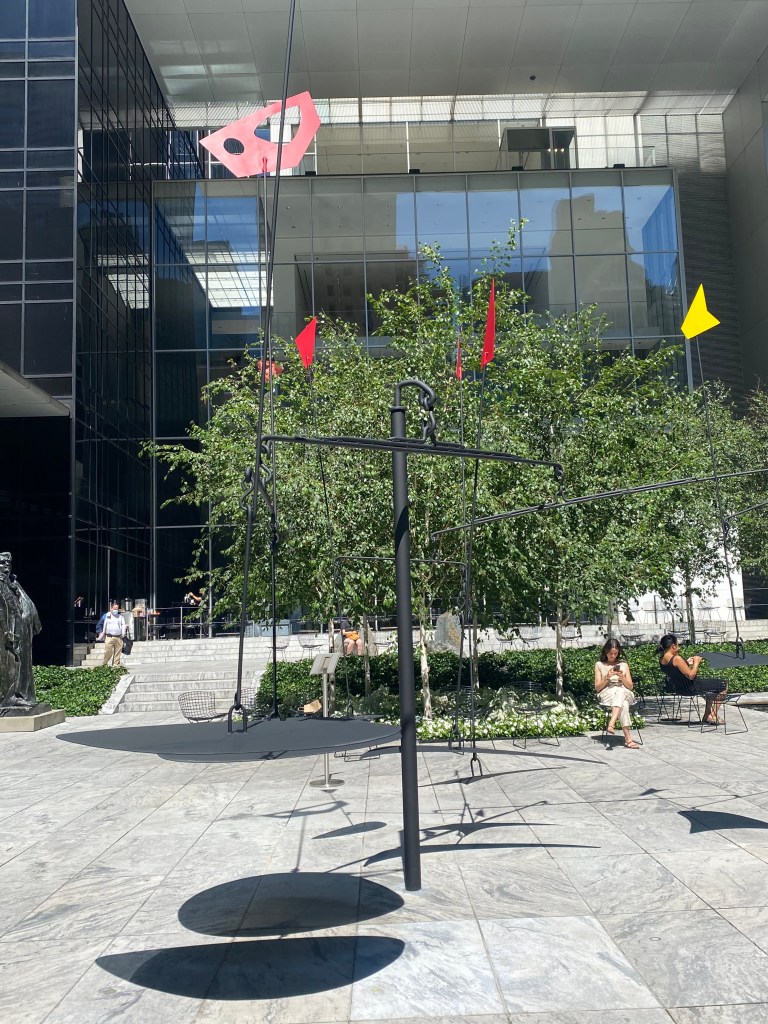
As I climb to the top of the staircase, I notice a sculpture of a rose. A spark of recognition hits me. I’ve seen this before. Suddenly everything clicks: MoMA! It’s Isa Genzken’s Rose II, the towering stainless-steel sculpture that once stood in the MoMA sculpture garden. At the museum, I had always admired it from below, craning my neck as it stretched toward the sky. But here, on the upper level of Dior’s staircase, I’m eye-level with the enormous, perfectly sculpted red rose. It feels surreal to encounter the same work from a completely new perspective.
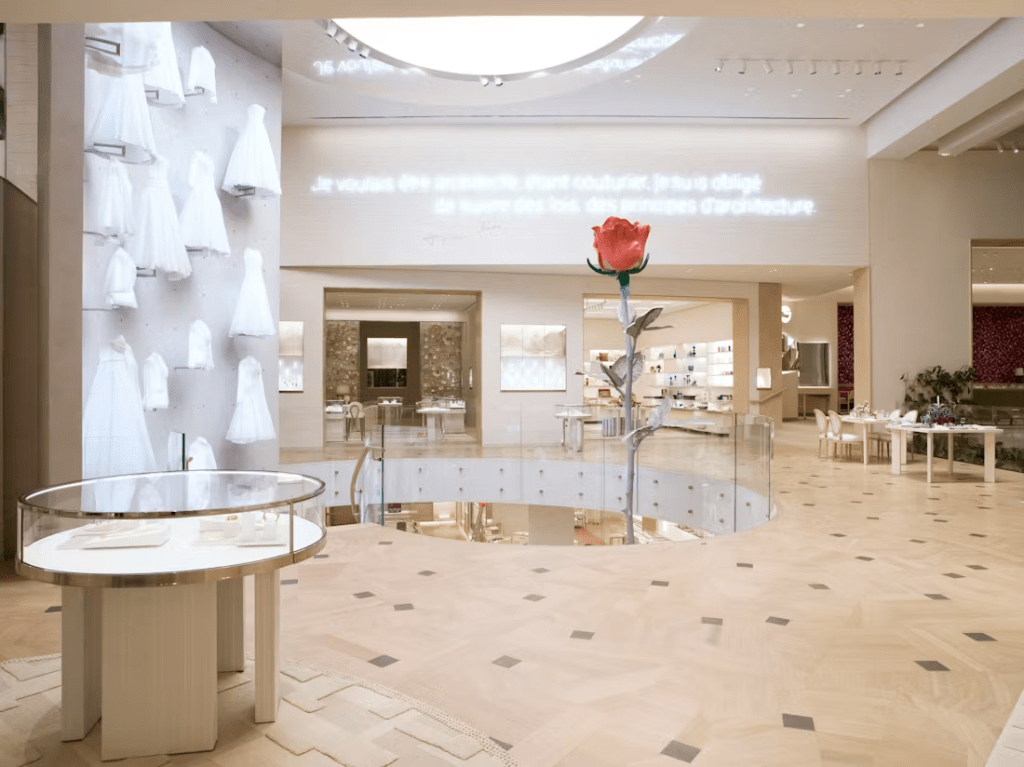
Rose II is the most beautiful flower I’ve ever seen and it was made by the most radical multidisciplinary artist of our generation, Isa Genzken. If you’ve never heard of her, you’re not alone. For much of her career, she was overlooked and underestimated. While institutions praised her male contemporaries for risk-taking, Genzken was already breaking every rule: moving effortlessly between sculpture, architecture, photography, assemblage, and installation long before “multidisciplinary” became the norm. Her work is restless, disruptive, and unmistakably her own. She drags the noise of urban life into the gallery, using concrete, aluminum, mannequins, toys, debris, mirrors, etc. Turning chaos into structure and structure into commentary.
Like most women artists throughout history, she was overshadowed by the male artist around her, particularly, her former husband, Gerhard Richter. Their collaboration was mutual and she’s influenced his work greatly, but that has never been acknowledged, and until her 2013 MoMA Retrospective, hardly anyone knew who she was. Her experimental rigor pushed Richter in new visual directions, even as her own practice continued to evolve with uncompromising intensity. While Gerhard Richter is one of the most well-established contemporary artists, dominating the art market with multi-million dollar sales, most recently at Art Basel Paris, many still don’t know who Genzken is. Hopefully the Rose sculptures will help to bring her name to the forefront of contemporary art conversations.
Let us not forget that women artists we revere today, were largely unappreciated during their lifetimes. Frida Kahlo was overshadowed by her husband Diego Rivera and had very few exhibitions during her lifetime. Her fame came posthumously, recently her work sold for $55 million at Sotherby’s auction. Hilma af Klint was never acknowledged for creating abstract paintings way before Kandinsky or Malevich came along. Alice Neel died in dire poverty while now her work is sought after by all major galleries. Artemisia Gentileschi was the 17th Century contemporary and just as gifted as Rubens and Velasquez but only recently came to be included in the art history narrative. And the list goes on and on.
Back to Isa Genzken’s Rose sculptures. Besides the one in the Dior Store in Paris, there’re two that are public art installations, available to anyone in an open, public space. One is in Leipzig, Germany, and the other one is installed in Zuccotti Park, downtown Manhattan. Perhaps Rose III sculpture commemorates Occupy Wall Street movement that took place here. The sculpture captures everything singular about Genzken: the strange, poetic mix of fragility and monumentality. A single rose, oversized, made of steel, 26 to 35 feet tall, yet impossibly delicate. It’s both romantic and confrontational, soft and indestructible, a symbol of beauty insisting on being seen.
Isa Genzken didn’t just follow contemporary art,
she changed its direction.



Sources:
MoMA.org
Artsy.com
Met.org
Dior.com
Leave a Reply